
We make people think differently, and act on it.
Most campaigns fail before they air. Not in production. Not in the edit. They fail because someone confused information with influence.
Telling people what to do rarely changes what they do. People already know they should recycle, prepare for floods, screen for cancer, or register their dog. The problem is never a lack of information. It's a gap between knowing and doing, and that gap is a behavioural science problem, not a communications one.
We're built differently for exactly this reason. One of our directors holds a PhD in psychology and has spent more than twenty years working across behavioural science, health, and applied change environments. That knowledge doesn't sit in a separate strategy document. It shapes how every campaign is conceived, structured, and made.
Before we make anything, we look at what is actually going on. What people believe. What they're avoiding. What makes something feel too hard or too irrelevant to act on. Then we design around that reality rather than around what a client wants to say.
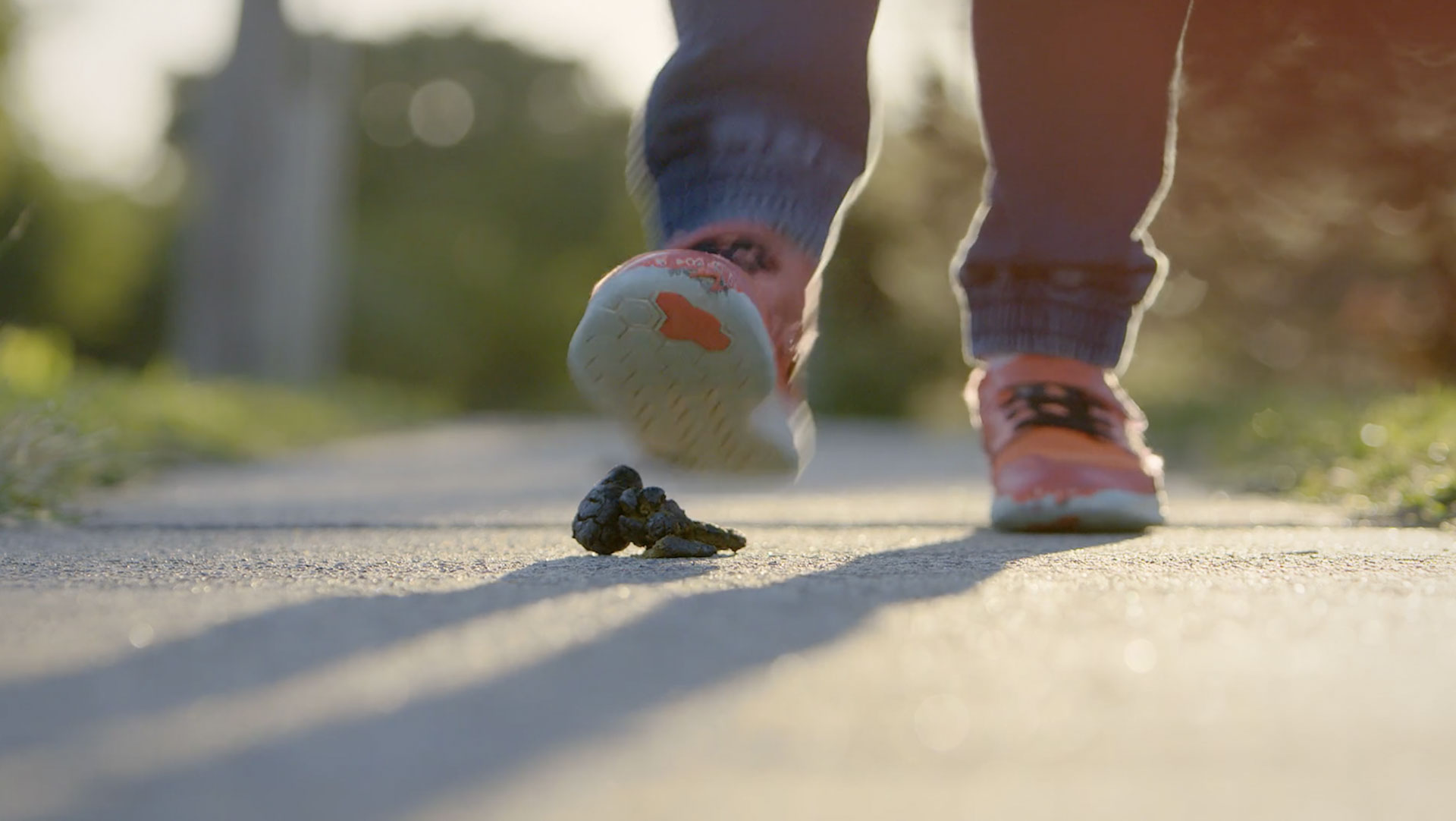
That's how Let's Get It Sorted generated 18.5 million impressions in six weeks with 37% brand recall against a target of 25%. It's how Don't Be a Shih Tzu achieved 45,000 unsponsored views on a council budget. It's how a storm preparedness animation clocked 48,000 views in a single week.
The work didn't cut through because it was louder. It cut through because it understood the audience better than the audience expected.
If it doesn't change behaviour, it isn't finished.