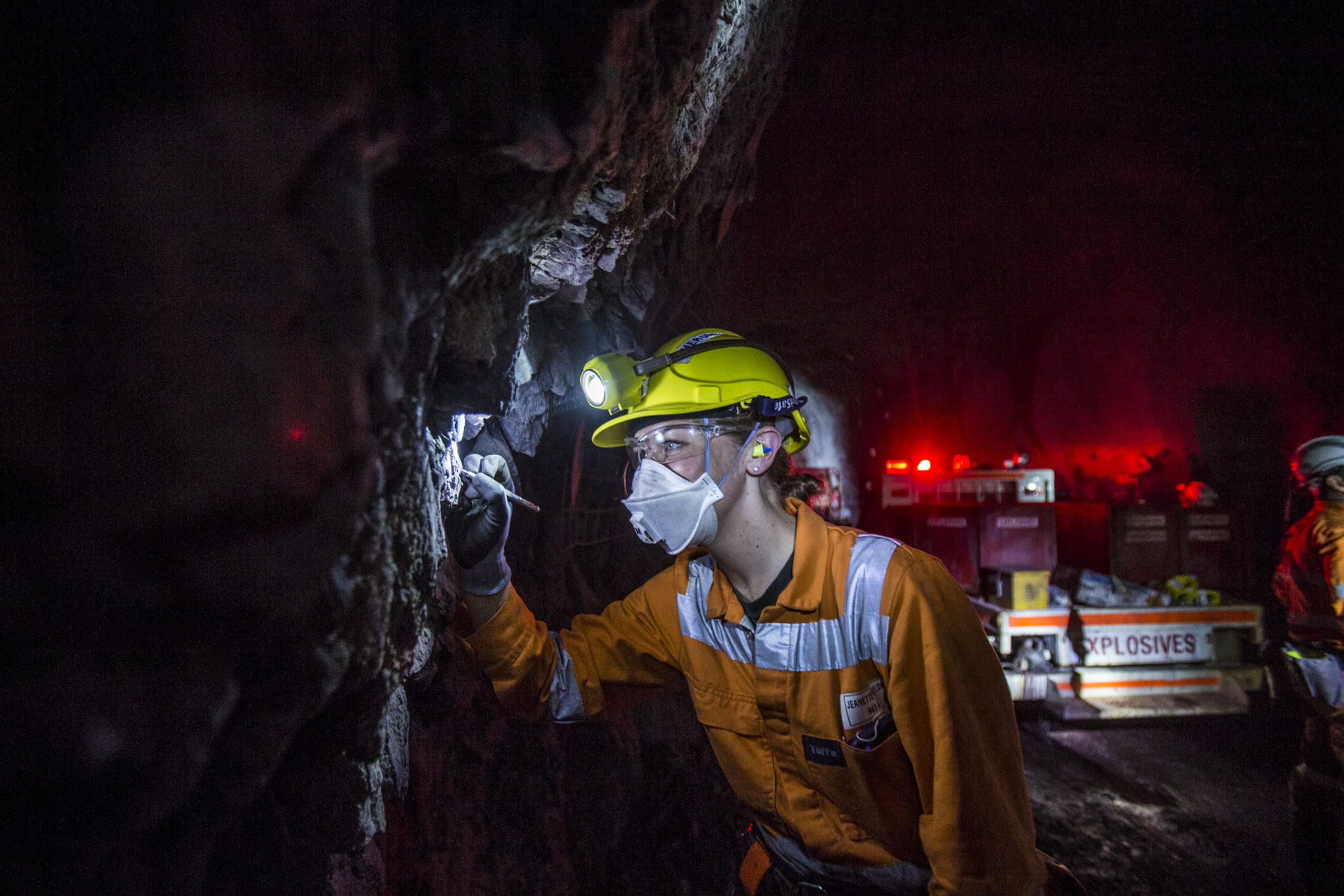
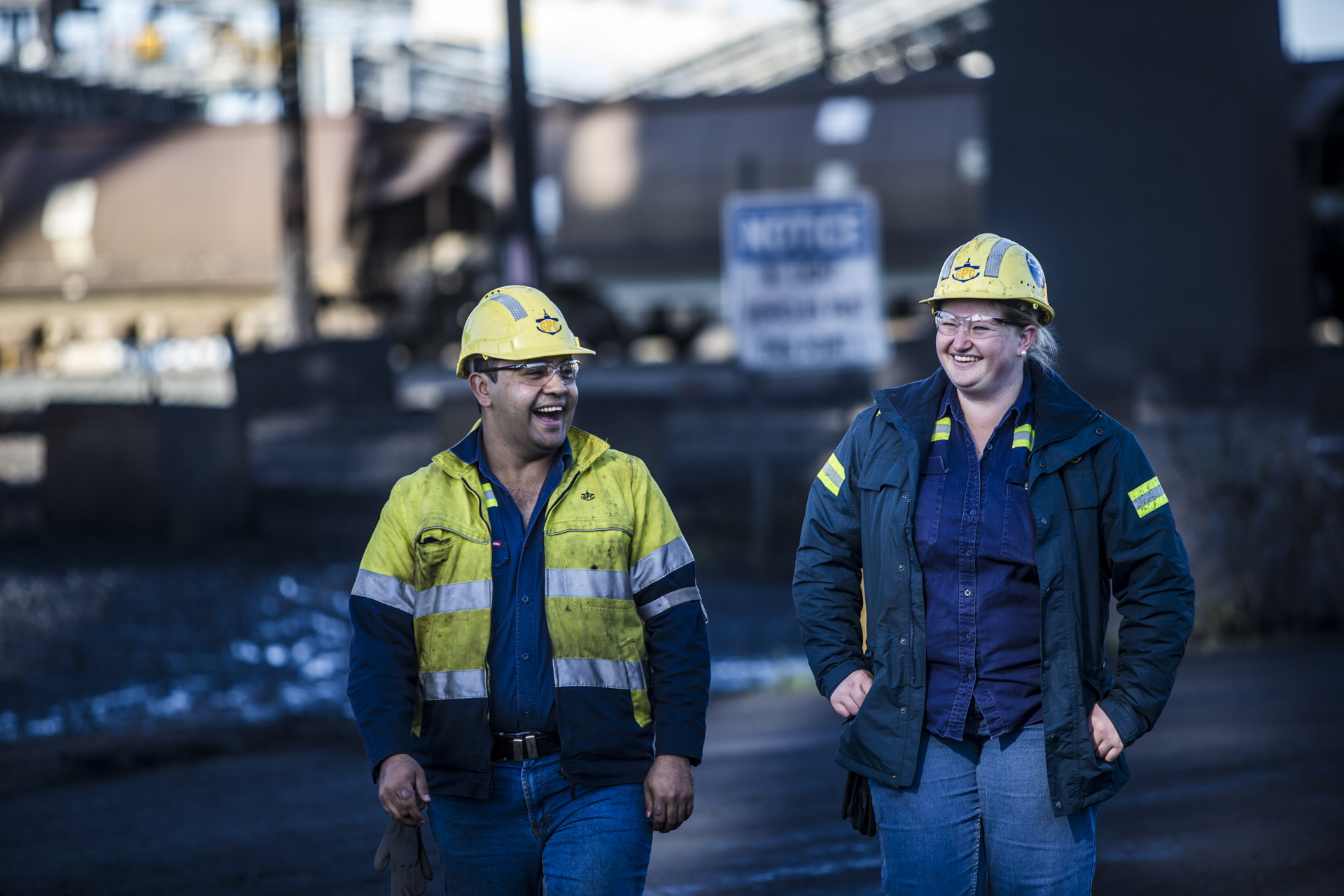
BHP commissioned a four-week national photography project across seven operational sites in three states: one image library covering iron ore, underground hard rock, metallurgical coal and export operations. Seven sites meant seven separate induction regimes, and the brief covered workforce, operations, plant, safety and leadership imagery at every one.
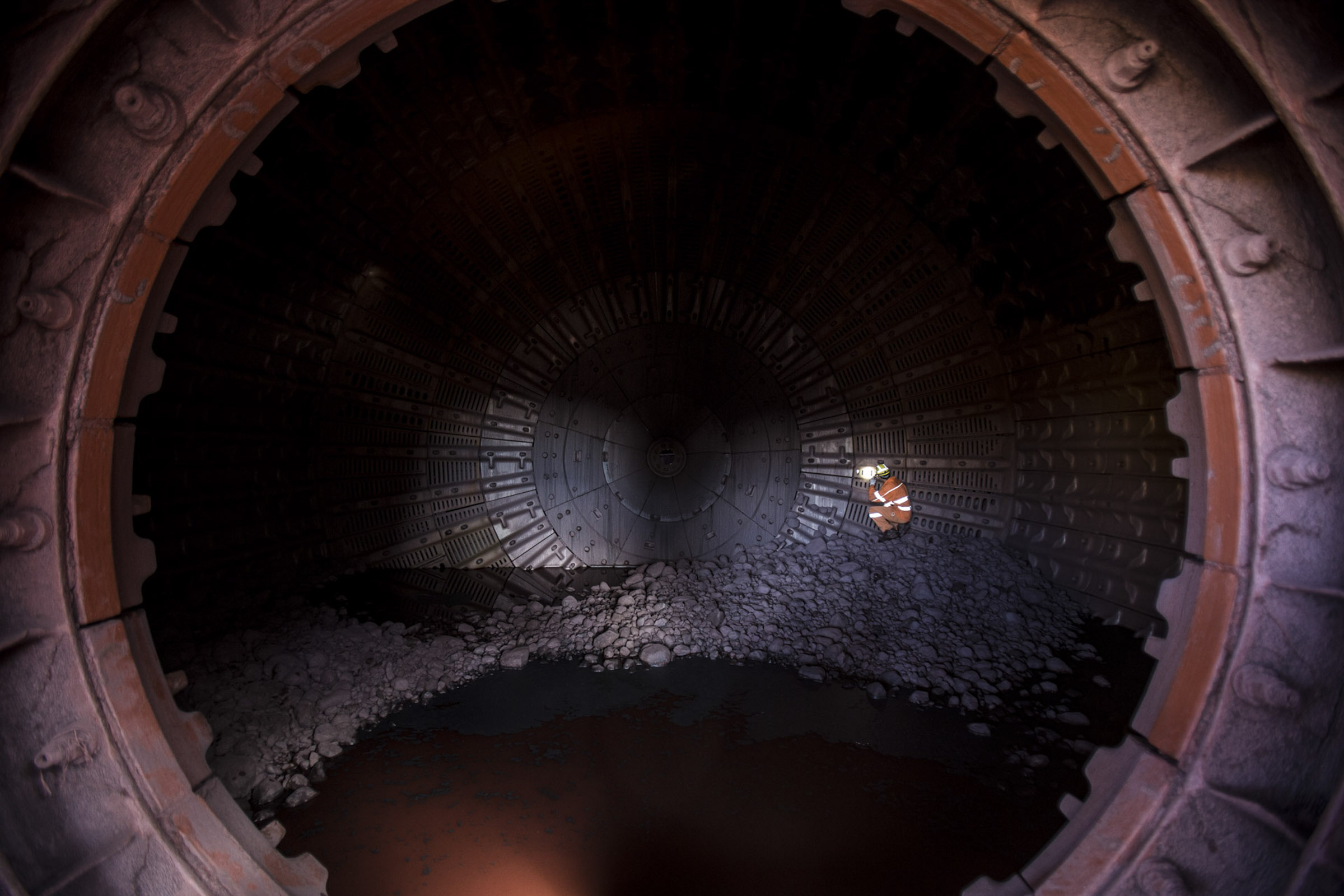
Each site runs its own induction, permit system and access rules, and none of them defer to a production schedule. Iron ore at Newman, Jimblebar and Area C in the Pilbara. Underground hard rock at Olympic Dam and Carrapateena. Metallurgical coal at Broadmeadow. The export terminal at Hay Point. Different light, different hazards, different rules about where a camera and a light could go, and one month to get through all of it without losing a day to a preventable stoppage.
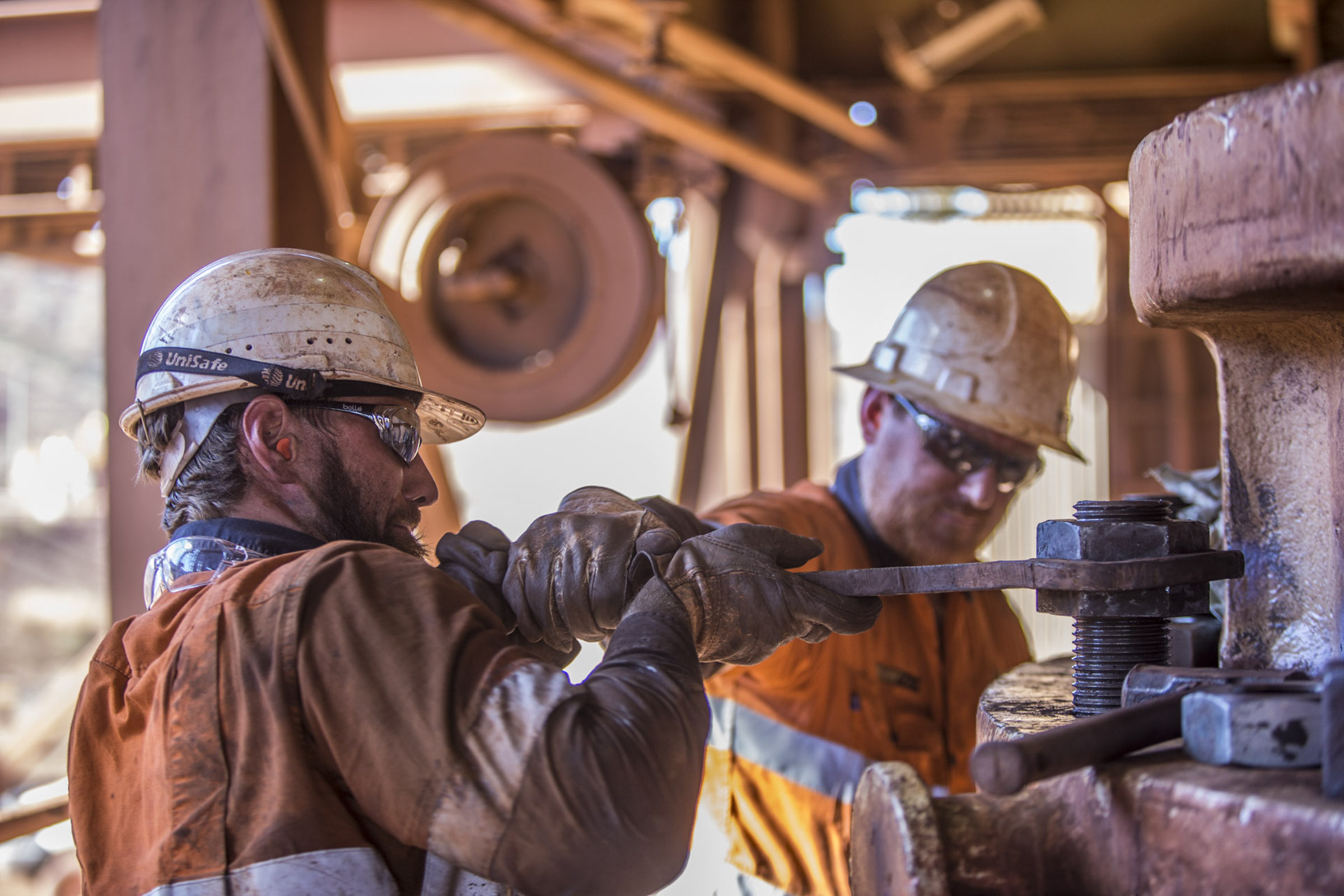
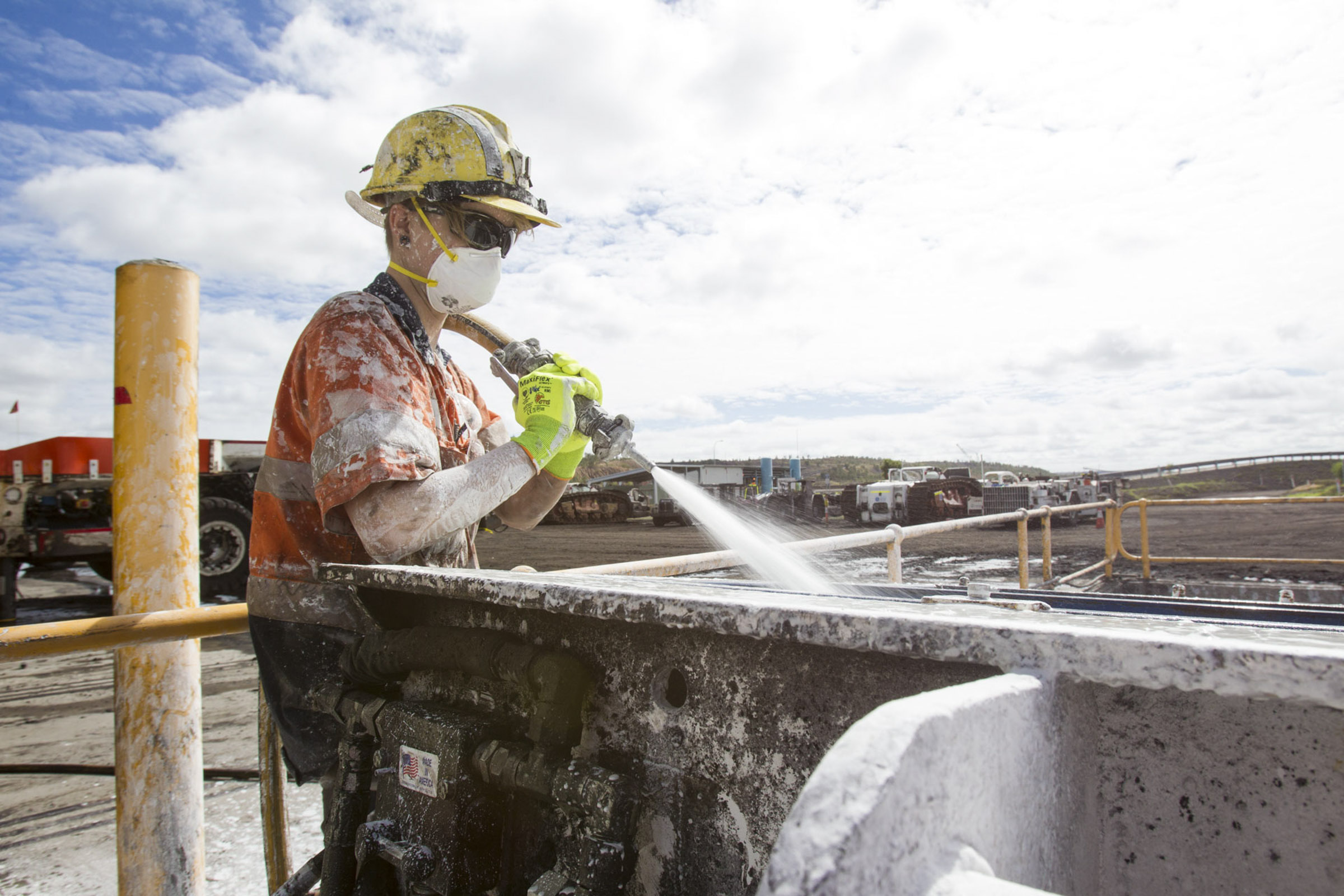
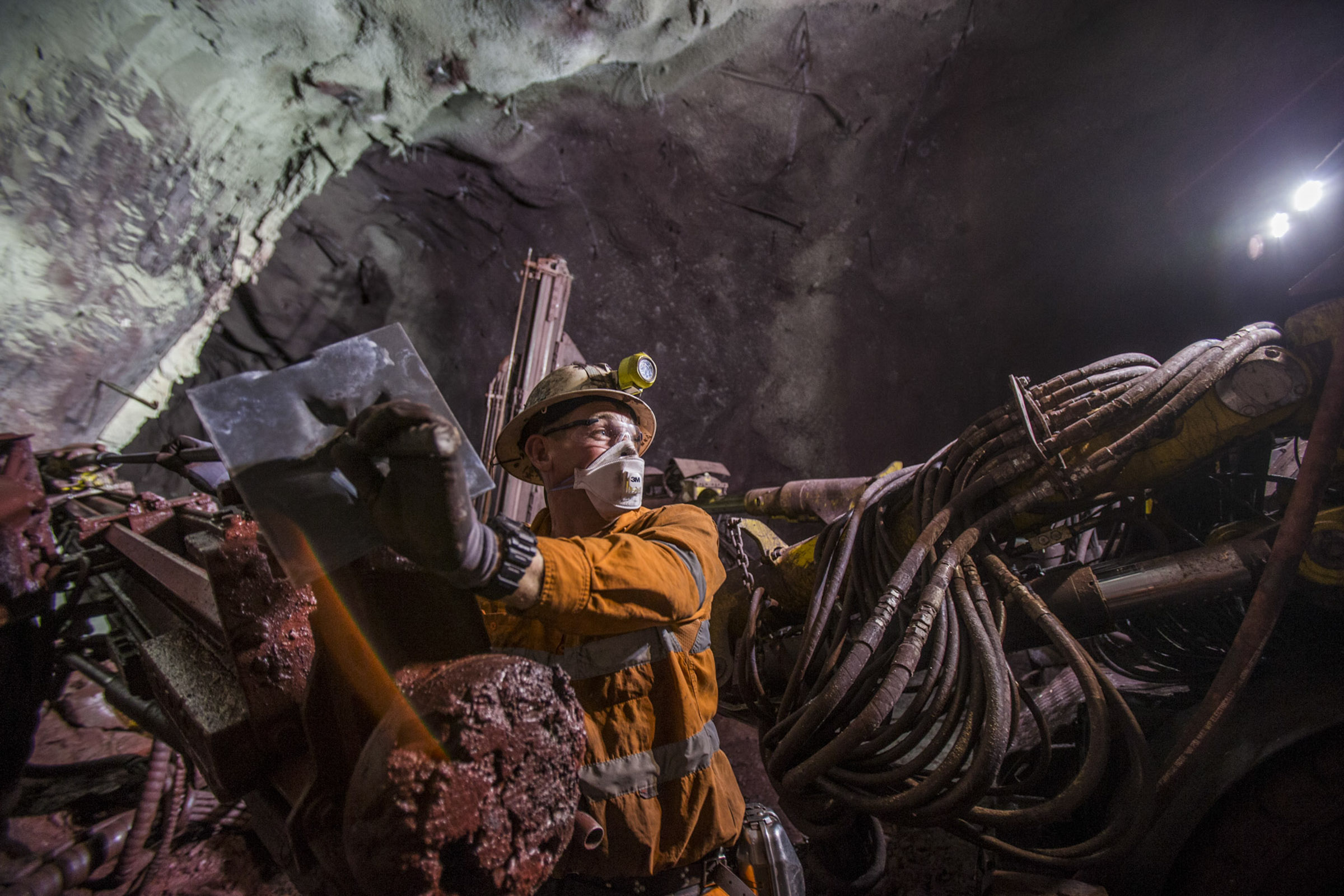
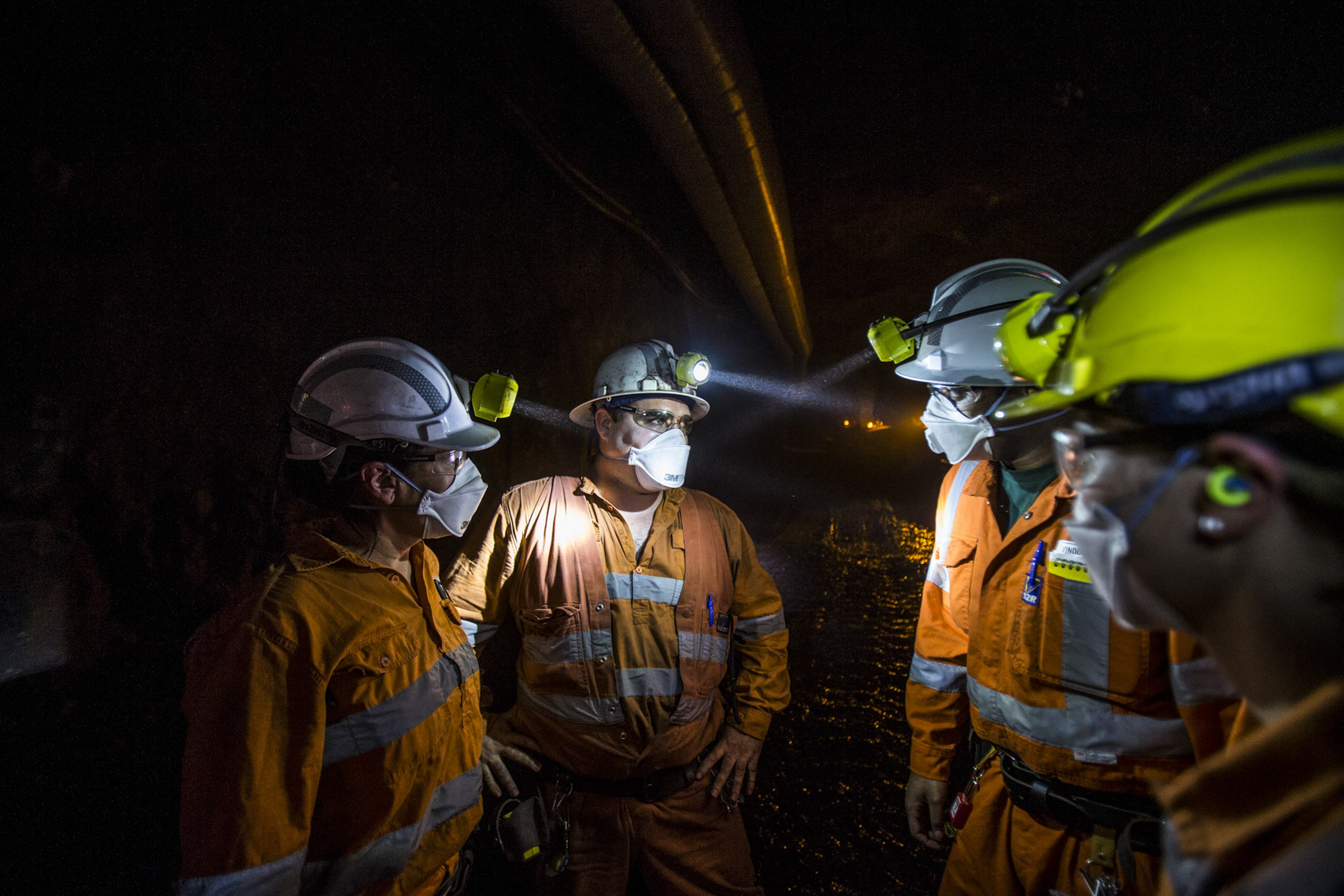
We treated induction and access planning as part of the production plan, not a preliminary to it. Site inductions were booked into the schedule as fixed time, not contingency. Lighting was set up to work with each site's permit conditions rather than against them, and the shot list was built site by site so the crew arrived already knowing what the day needed. The team moved from the surface to underground and back within days, adjusting equipment and technique for each environment while holding a consistent visual standard across the whole library.
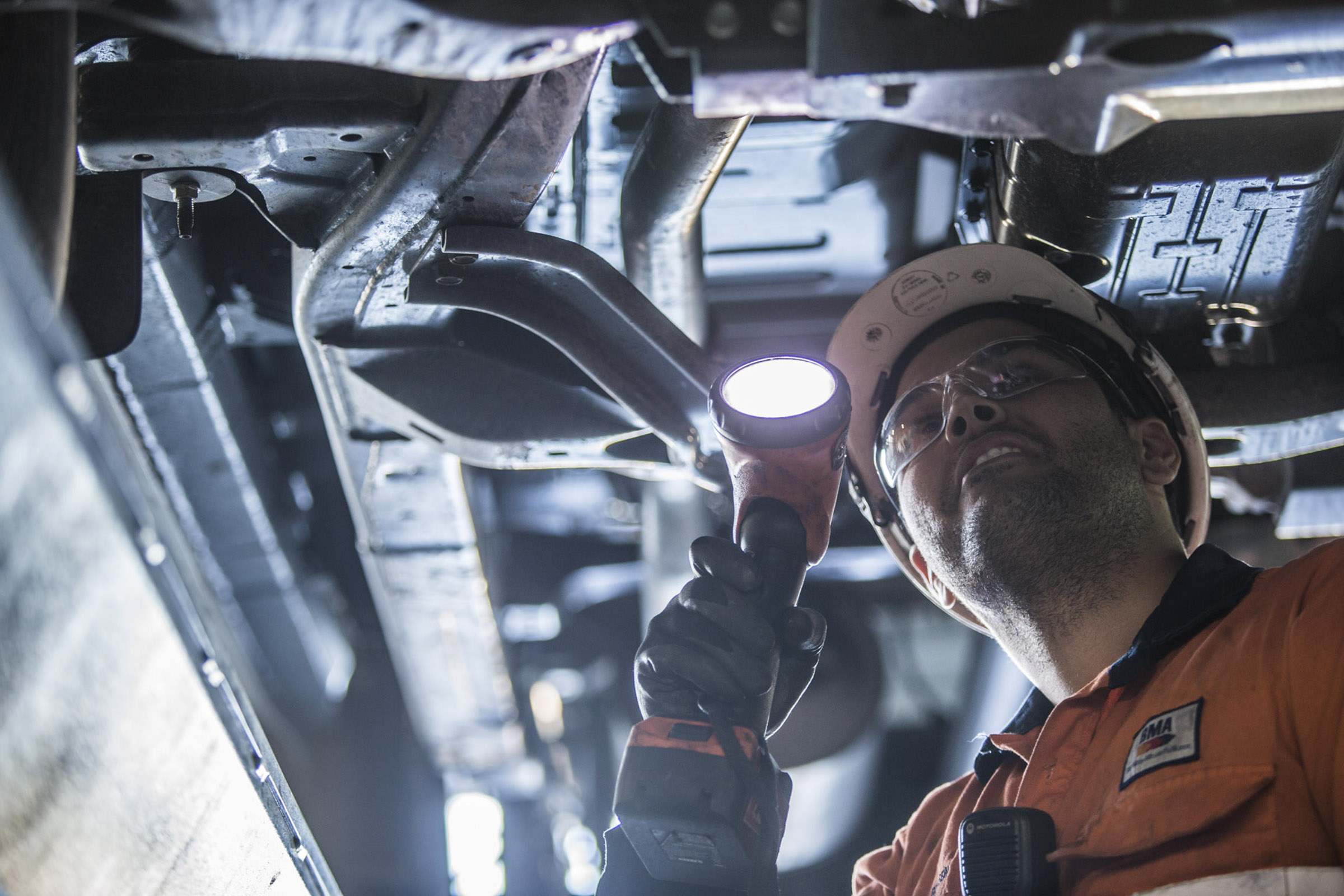
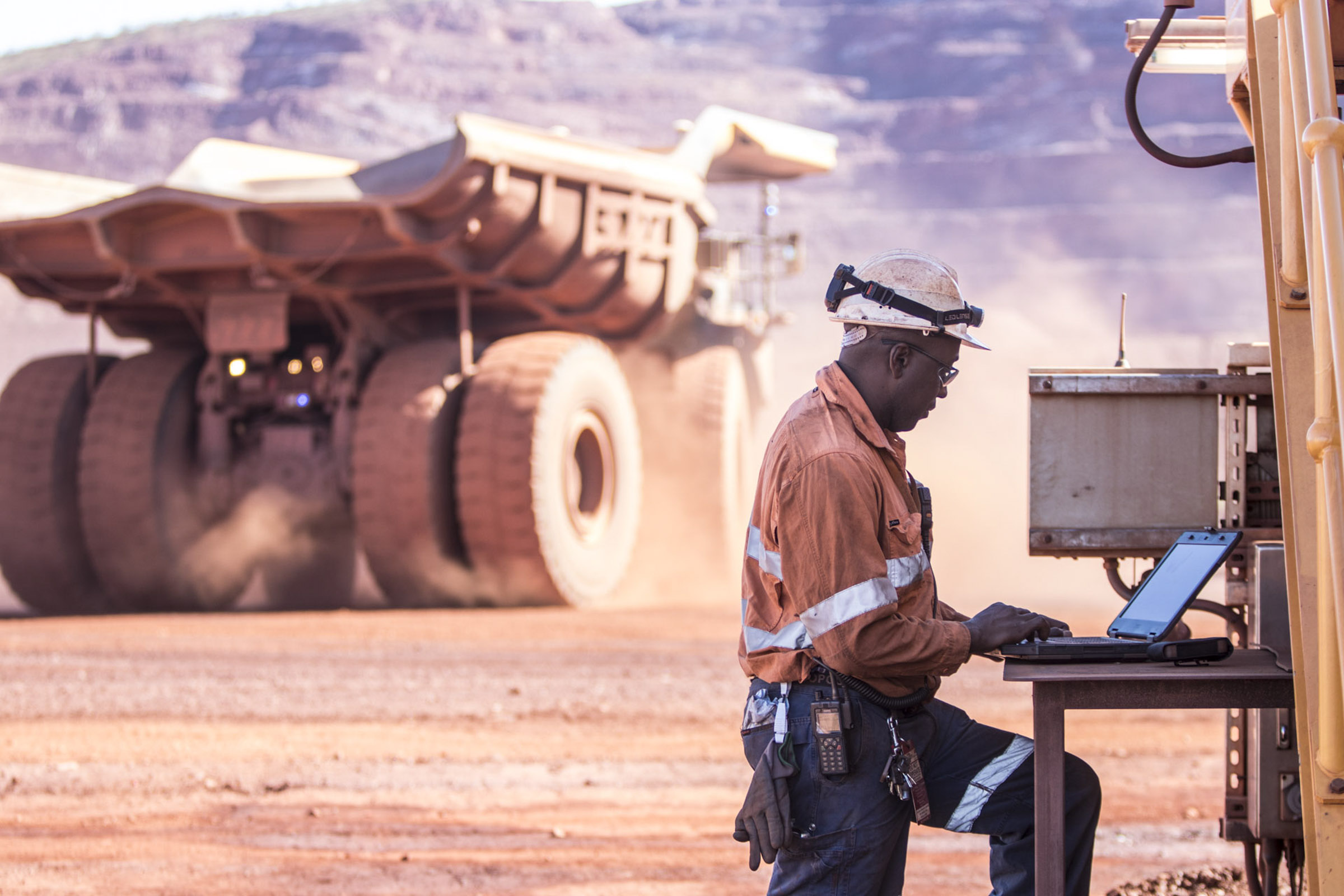
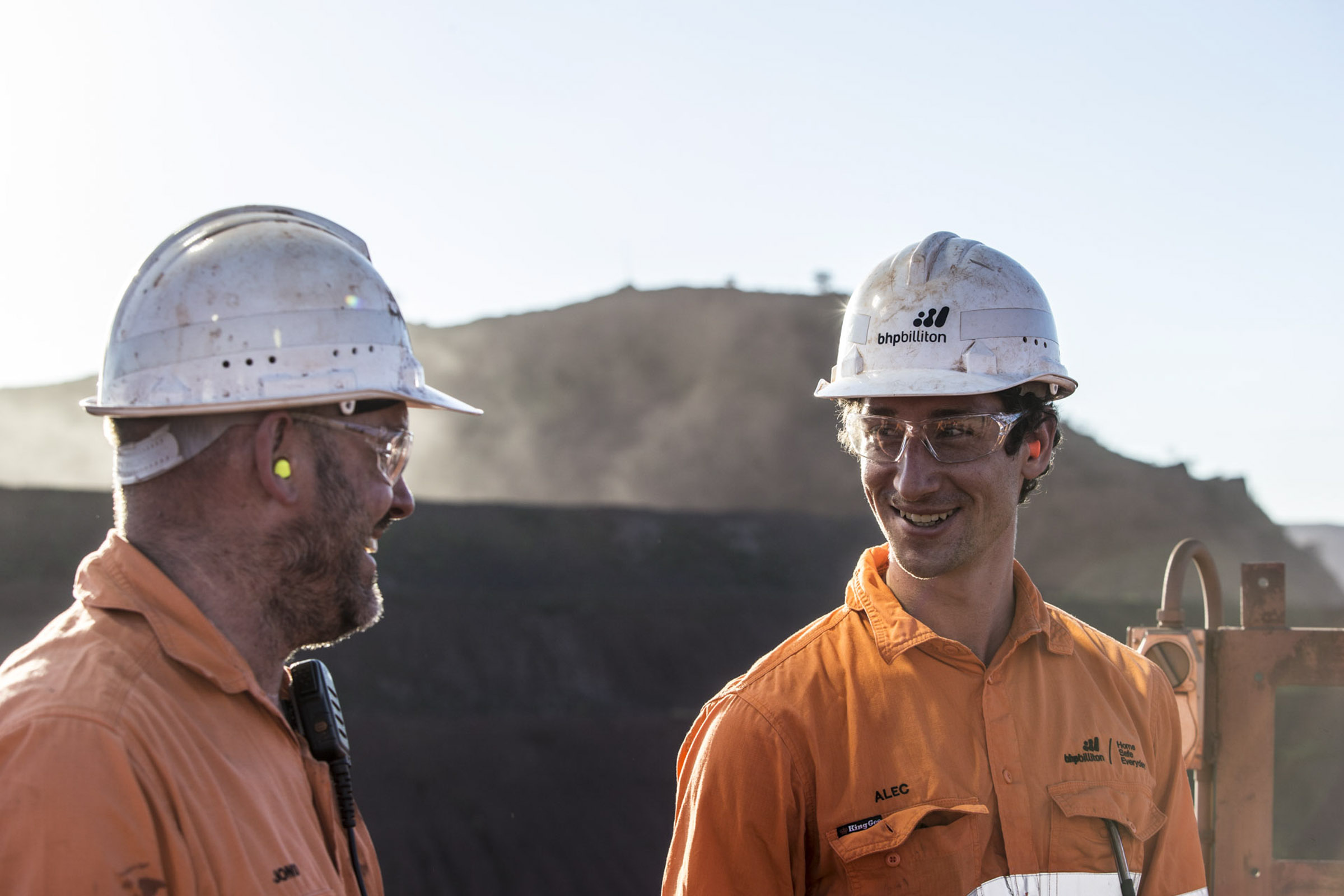
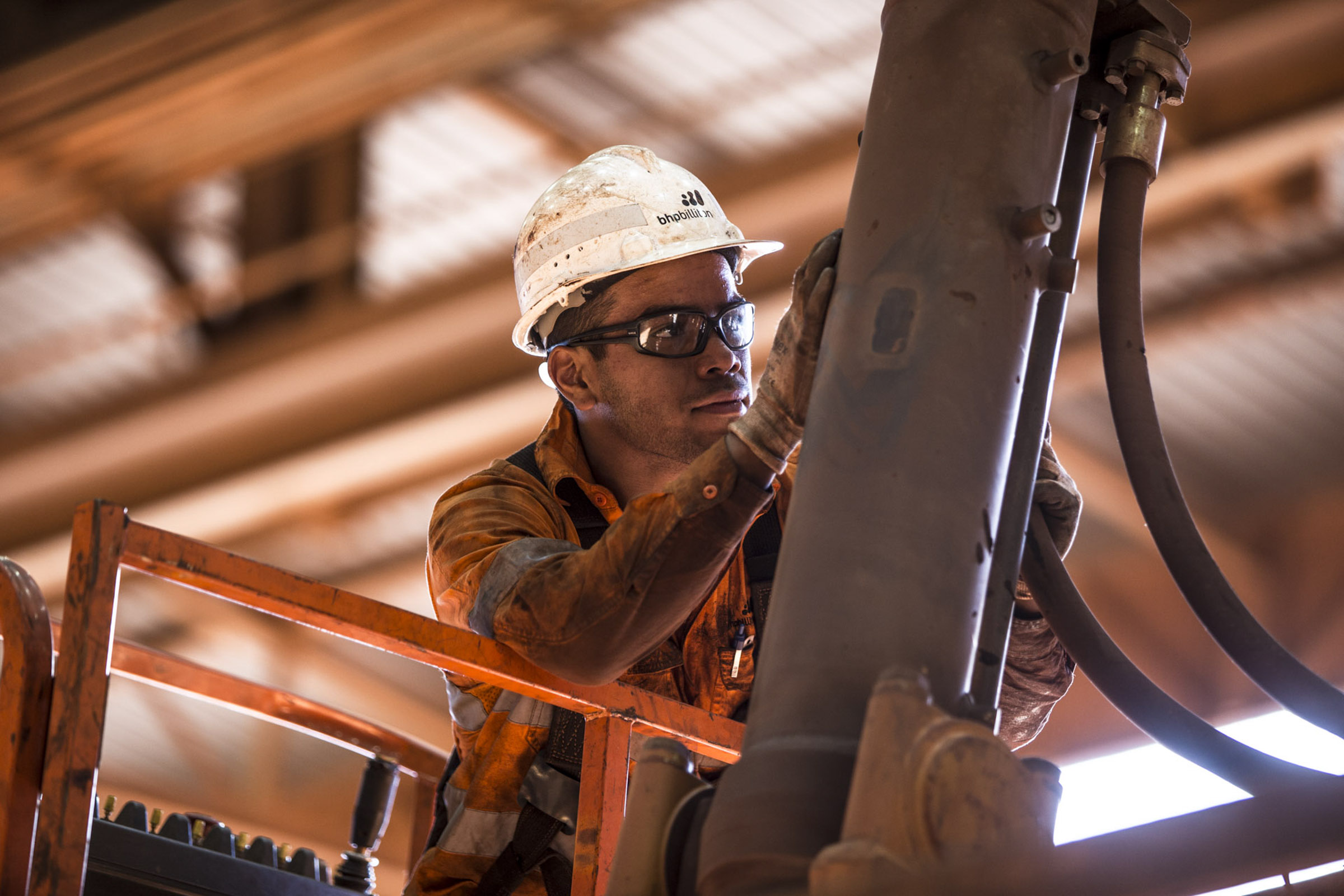
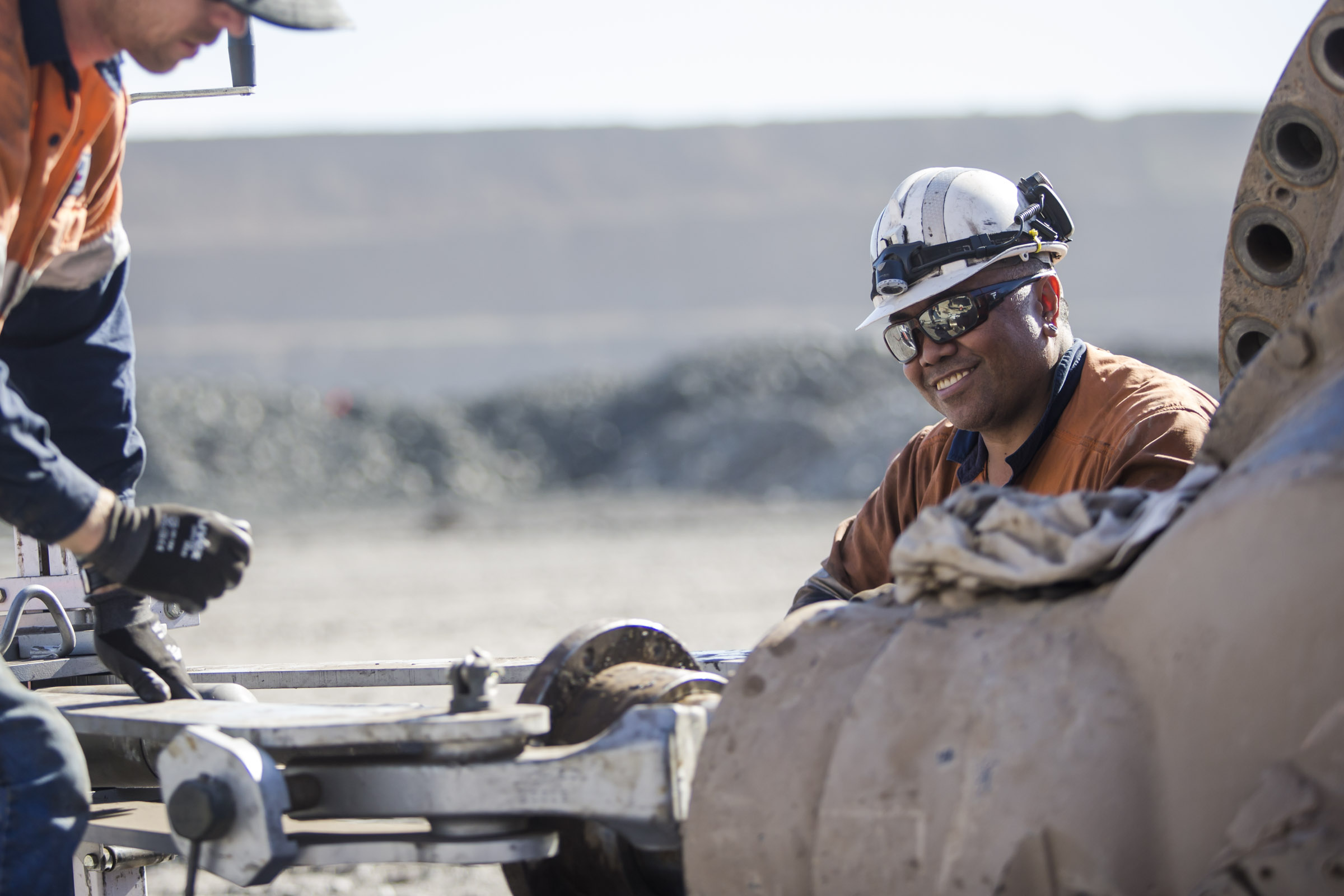
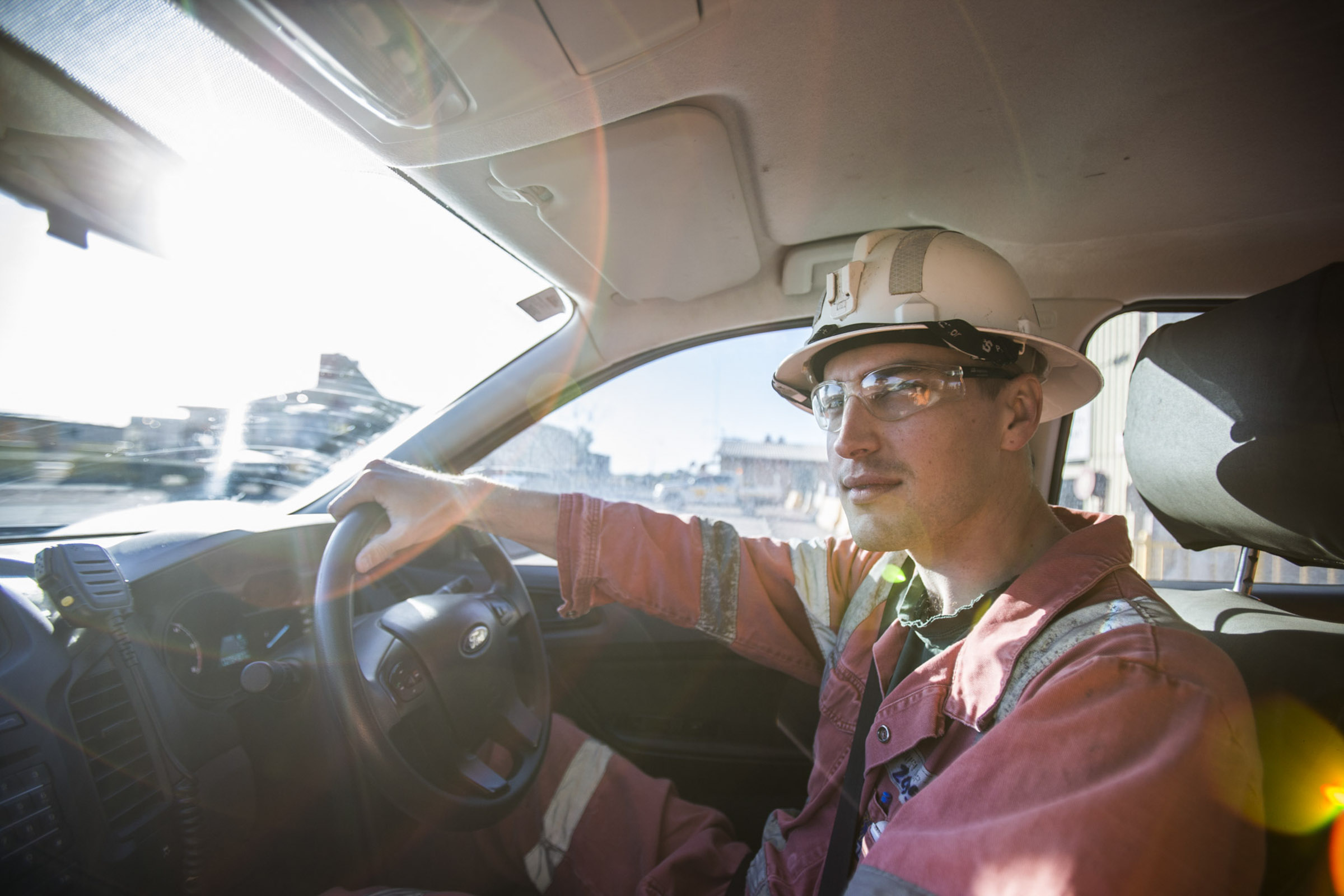
Seven sites, three states, seven induction regimes, one month, and no site stopped a shoot. BHP came away with a single national image library, workforce, operations, plant, safety, community and leadership imagery, built to a consistent standard across every site and replacing what had been ad hoc, site-by-site photography.
More Mining & Resources work
Further reading
What it takes to get a crew onto a Queensland mine or gas site, and the credentials that make it possible.